





Anguil Environmental provides battery and energy storage system (ESS/BESS) manufacturers with expertly engineered air and water pollution control systems designed to meet the most stringent environmental regulations without compromising operational efficiency.
With the rapid growth of lithium-ion battery technologies and the evolving chemistries involved, Anguil delivers custom solutions tailored to your needs. Whether addressing off-gas from electrode manufacturing or wastewater from battery recycling, our systems are built to handle the complexities of modern battery production and storage.
Our holistic approach ensures optimal system performance, lower operating costs, and reliable protection for your workforce and the surrounding community.
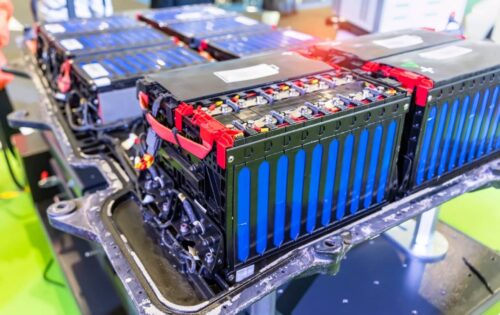
Common Applications
Anguil’s pollution control systems are tailored for every stage of the battery manufacturing process. Our proven solutions help battery producers tackle complex air and water pollution challenges while optimizing efficiency and maintaining regulatory compliance. Each application is different, so Anguil takes the time to explore your site and perform lab tests to ensure we find the ideal solution for your unique application.
Kiln & Furnace Emission Control
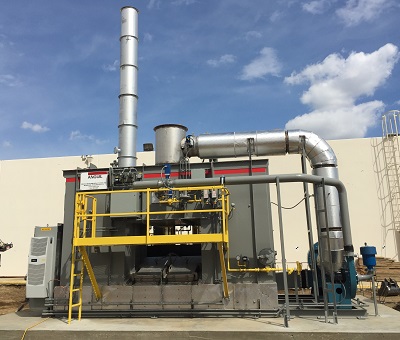
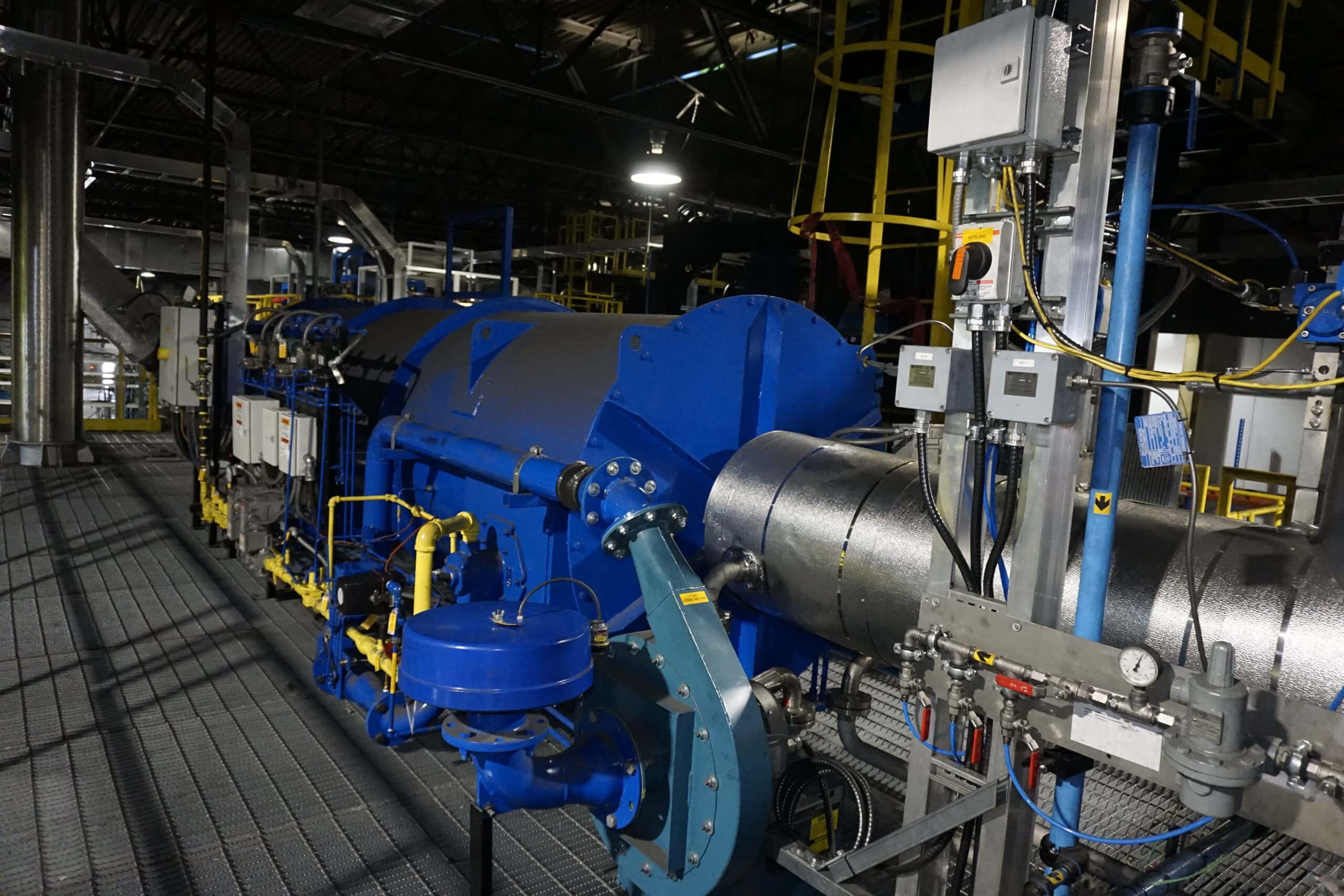
High-temperature processes include graphite coating, anode active material production (AAM), cathode active material production (CAM), silicone anode production, and more. These processes can emit a range of harmful gases, including CO, SO₂, NOₓ, and particulates. Anguil offers several different multi-stage Thermal Oxidizers (Regenerative, Recuperative, and Direct-Fired) and Vapor Combustor Units (VCU) that achieve >99% destruction efficiency with minimal maintenance and NOₓ formation.
Material Mining & Active Material Processing
From lithium extraction to powder synthesis, emissions and contaminated wastewater are common. We provide oxidizers for SOₓ, HF, and other hazardous compounds, turnkey wastewater systems for treating metals and inorganic contaminants, and add-on acid gas scrubbers for handling corrosive particulates.
Cell Coating & Finishing Solvent Abatement
Solvent-based processes, especially those involving N-Methyl-2-pyrrolidone (NMP), require advanced control. Anguil’s Regenerative Thermal Oxidizers (RTOs), Emissions Concentrators, and Solvent Recovery Systems are optimized for high solvent loads and stringent NMP regulations.
Battery Recycling
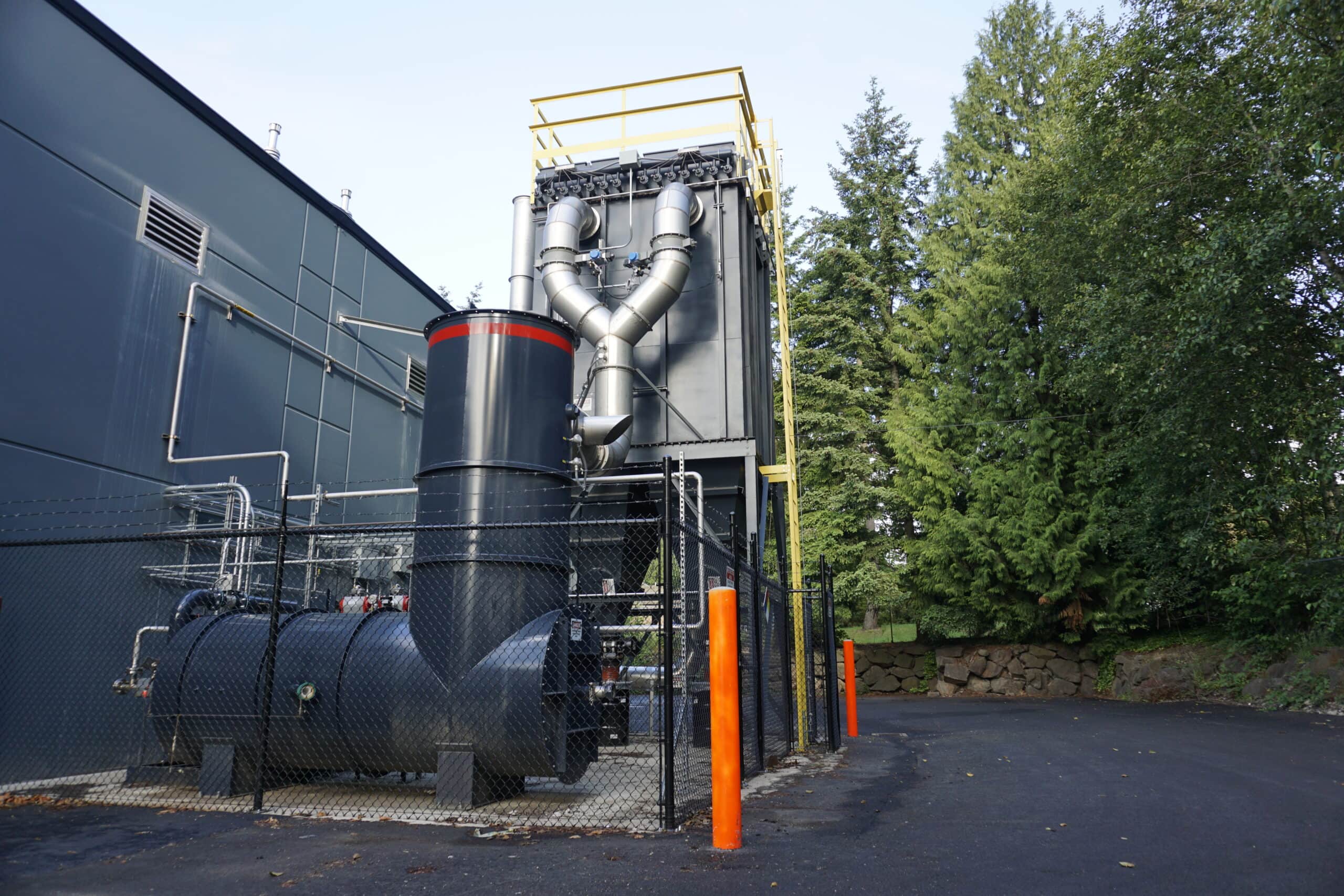
Recycling lithium-ion batteries generates off-gases, particulates, and wastewater containing heavy metals and solvents. Anguil offers integrated air and water treatment systems—including Thermal Oxidizers, particulate control equipment, and chemical filtration units—to help recyclers manage emissions, recover valuable materials, and maintain environmental compliance.
Battery Testing
Thermal runaway testing, formation cycling, and other diagnostic procedures can release hazardous vapors and particulates. Anguil provides emission capture and treatment solutions tailored for these controlled environments, ensuring safe operation and compliance without compromising test integrity.
Electrolyte Manufacturing
The production and handling of battery electrolytes often release volatile solvents and reactive compounds. Anguil’s engineered solutions—including RTOs and Solvent Recovery Systems—control emissions efficiently while supporting product purity, operator safety, and regulatory standards.
This is not a comprehensive list of applications. We are constantly building custom solutions and combining multiple treatment technologies to best serve our clients’ pollution control needs. If you don’t see your application listed above, contact us to find the ideal solution for your application.
-
Solutions in Action

Meeting the Challenge of EV Battery Recycling: An Innovative Solution
As the lithium-ion battery industry grows rapidly, old technology is being replaced with new. The lithium-ion batteries powering electric vehicles will not last forever... So, what happens to these batteries when they’ve reached the end of their life?
Learn More Keeping Battery Production Profitable and Green
Batteries have become a key contributor in the world’s energy transition and critical in the effort to slow climate change. As a result, battery manufacturing technologies and techniques are constantly evolving as producers look to remain competitive, increase storage capacity, and improve efficiency while decreasing battery size and weight.
Learn More Silicon Powder Revolution: Powering the Future of Energy Storage
In the ever-evolving landscape of energy storage technology, the demand for efficient and sustainable solutions has intensified, prompting a significant shift in the materials utilized for lithium-ion batteries... silicon carbon-based powder offers 10 times higher capacity and up to 50% more energy density than graphite, a critical solution in this transition from lithium-ion batteries.
Learn More Creating Air Pollution Control Solutions for Carbon Neutral Graphite Mining
The markets for lithium-ion batteries, electric vehicles, and fuel cells are increasing exponentially, meaning the demand for graphite is higher than ever before... Graphite is the single largest mineral component of the battery, making it an essential material in manufacturing lithium-ion batteries and electric vehicles that rely on batteries.
Learn More A Fossil Fuel Free Solution
As individuals and corporations continue to push towards smaller carbon footprints, the use of Lithium-Ion Batteries (LIB) has become increasingly prevalent. Specifically for individuals, the utilization of battery packs for all-electric automobiles and solar-powered home battery banks have continued to grow at a rapid rate. The manufacturing of these battery packs generates several air pollutants that must be treated prior to being released to the atmosphere.
Learn More

Trust Anguil with Your Pollution Control Systems
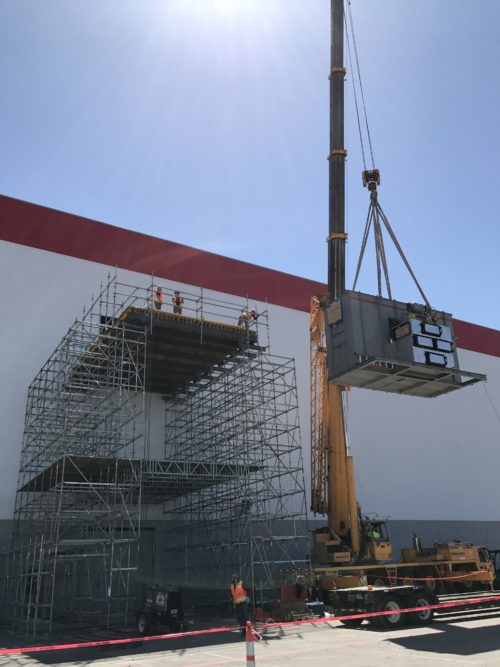
Anguil delivers proven pollution control solutions that help battery manufacturers reduce emissions, meet compliance, and operate efficiently, all backed by decades of industry-leading expertise. Our systems can also be configured to run on alternate fuels to support your sustainability and energy goals. Get in touch with us today to learn more.
Battery Production Pollution Control FAQs
What are the typical pollutants from the lithium-ion battery recycling processes?
The exact compounds expected will depend on the battery chemistry however Anguil typically sees dimethyl carbonate, diethyl carbonate, ethyl methyl carbonate, methanol and ethanol. The battery recycling technology can also impact the compounds expected and whether HF will be present. Special materials of construction in the oxidizer will be required if hydrogen fluoride is present.
What are the primary wastewater pollutants coming from the battery manufacturing supply chain?
The applications for water treatment in the battery lifecycle are varied due to the variety of processes and the materials involved. We often see graphite, lead and calcium carbonate particulates that require reduction or removal along with the need for pH control from process and wastewaters.
How are interest process exhausts handled from active material processing kilns?
Anguil has a specialty system design that ensures that the inert process stream is safely mixed with the required oxygen needed for combustion and oxidation. In addition to being able to handle potentially dangerous fumes, Anguil also has expertise in inorganic dust removal that can also be present in active material processing projects.
Aftermarket Services for Battery Production
Air and water pollution control systems are critical to ensuring battery production, recycling, and testing operations remain compliant and run without interruption. If these systems underperform, manufacturers risk production downtime, permit violations, costly repairs, and lost revenue. Anguil provides customized service and maintenance programs designed specifically for the demands of lithium-ion battery and ESS/BESS facilities.
From RTOs controlling NMP emissions to wastewater systems treating metals and acids, Anguil supports your equipment throughout its lifecycle. Our aftermarket services include preventative maintenance, repairs, spare parts, system upgrades, and retrofits — for both Anguil and competitor systems. Every project is managed by a dedicated team focused on maximizing uptime, improving efficiency, and extending system life without unnecessary replacement costs.
With Anguil as your long-term service partner, your battery facility stays compliant, efficient, and prepared for evolving environmental regulations.
Resources
Stay informed on the policies, partnerships, and sustainability initiatives shaping the future of battery manufacturing and energy storage. The organizations below provide valuable insights, advocacy, and industry collaboration opportunities to help producers strengthen compliance, advance innovation, and support responsible lifecycle management.
- National Alliance for Advanced Transportation Batteries, or NATTBatt, supports advancement of energy storage with the goal of enhancing efficiency, reducing petroleum dependance and enabling carbon-free electricity generation.
- The Responsible Battery Coalition consists of companies, academics, and organizations committed to the responsible management of the battery life cycle.
- Battery Council International (BCI) is a trade association committed to responsible manufacturing and sustaining a circular economy.
Solutions by Pollution Type
From solvent emissions to wastewater contaminants, battery manufacturing presents unique environmental challenges. Anguil’s air pollution and water pollution control systems are purpose-built to handle these demands—ensuring compliance, reducing emissions, and improving operational efficiency across the production line.

Air Pollution Control
Anguil’s air pollution control solutions use technologies like Regenerative Thermal Oxidizers (RTOs), catalytic systems, Direct Fired Thermal Oxidizer (DFTO), and scrubbers to eliminate harmful emissions such as VOCs, acid gases, and particulates. These systems are engineered for high destruction efficiency, energy recovery, and long-term reliability—making them ideal for battery production processes like solvent coating, electrode drying, and material calcination, where air quality and compliance are critical.
Water Pollution Control
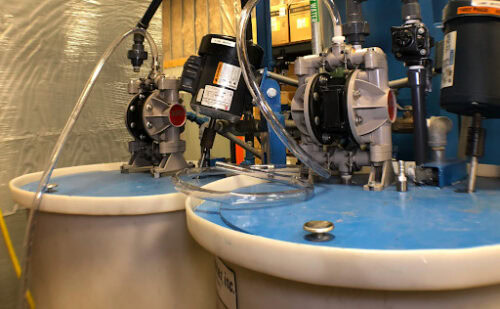
Anguil’s water treatment solutions use advanced technologies to treat wastewater containing heavy metals, acids, and suspended solids. Systems like pH adjustment, filtration, and metals removal are tailored to meet regulatory discharge limits while enabling water reuse. For battery manufacturers, these solutions are essential in parts washing, slurry processing, and material refinement—where clean water management is vital to both compliance and sustainability.